Home Inspection Failures in Omaha: How to Save Your Deal
When a home inspection reveals problems, the negotiation that follows determines whether a deal survives or collapses. In Omaha's residential market, certain issues—foundation damage, uninsurable roofs, high radon levels—consistently kill transactions. Understanding what causes post-inspection failures, and how to prevent them, gives both buyers and sellers a decisive advantage.
Most Common Inspection Failures in Omaha
The issues that kill Omaha home deals fall into two categories: major structural or safety defects that trigger immediate buyer exits, and accumulated minor problems that erode trust and stall negotiations. Knowing which category a defect falls into shapes the entire repair negotiation.
Walk-Away Defects: Structural and Safety Issues
Certain inspection findings cause buyers to terminate contracts almost reflexively. These "walk-away" defects share a common trait: repair costs are unpredictable, often exceeding $10,000, and the underlying problem may signal broader property neglect.
Foundation failure tops the list. Horizontal cracking or basement walls bowing more than one inch triggers immediate buyer concern in Omaha. Repair costs for wall anchors or pier systems typically range from $10,000 to $40,000, and many buyers simply refuse to inherit that liability.
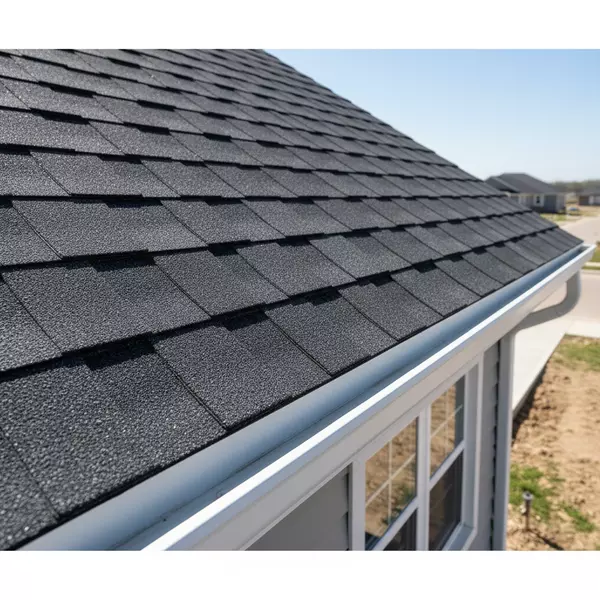
Uninsurable roofs create a different kind of deal-killer. Older asphalt shingles with documented hail damage—common after Midwest storm seasons—often result in insurance denial. When a home cannot be insured, lenders will not approve the mortgage. The transaction stops.
Sewer line collapse remains a persistent issue in Omaha's older neighborhoods, including Dundee, Benson, and Countryside. Homes built before 1970 often have orangeburg or cast-iron pipes that deteriorate over decades. When an inspection reveals a collapsed lateral line, repair costs exceed $10,000—and if the seller refuses to credit or repair, buyers walk.
Electrical safety hazards carry insurance implications as well. Active knob-and-tube wiring in attics prevents standard homeowner's insurance coverage. A full rewire costs $15,000 to $20,000, and sellers who refuse to address it lose buyers who cannot secure financing.
The "Laundry List" Effect: Death by Minor Repairs
Not every failed transaction involves a massive defect. Move-up buyers stretching their budgets often panic when an inspection report reveals 50 or more minor items—loose doorknobs, chipped paint, minor caulking gaps. This laundry-list approach dilutes the gravity of legitimate concerns and causes sellers to view the buyer as acting in bad faith.
A related problem emerges from the credit-versus-repair standoff. Sellers prefer offering closing credits because they avoid managing contractors. Buyers, however, often demand completed repairs because they lack the cash for post-closing improvements after making a down payment. When neither party budges, deals stall.
The "as-is" misunderstanding adds another layer of friction. Sellers listing a property "as-is" often believe they are exempt from all repair obligations. This is incorrect. When an inspection reveals a material adverse fact—termite damage, for example—the buyer can still void the contract under the inspection contingency. Worse, the seller must now disclose that defect to every future buyer.
Omaha-Specific Deal Killers
Beyond the universal structural concerns, Omaha transactions face regional issues tied to local geology, climate, and housing stock. These factors require targeted awareness from both buyers and sellers.
Radon Gas: The Silent Deal Killer
Douglas and Sarpy counties are classified as EPA Zone 1, indicating the highest radon potential in the country. More than 50 percent of Omaha homes test above the EPA action level of 4.0 pCi/L. Radon mitigation has become a standard cost of doing business in local transactions.
Deals fail when sellers minimize the risk. Statements like "we've lived here 20 years and are fine" do not reassure buyers concerned about lung cancer risk. A mitigation system costs between $1,200 and $2,000—a small price relative to a collapsed sale. Sellers who resist this standard request make a strategic error.
Expansive Clay Soils: The Foundation Eater
Omaha's clay-heavy soil expands significantly during wet springs and contracts during dry summers and winter freezes. This expansion-contraction cycle stresses foundations over time, creating visible damage patterns: step-cracks in brick veneer, doors that stick on upper floors, and inward bowing of basement walls.
When inspectors find these symptoms, structural engineers are often called in for evaluation. If the engineer recommends "monitoring" rather than immediate repair, risk-averse buyers typically walk away rather than accept ongoing uncertainty.
Winter-Specific Risks
December transactions in Omaha face unique hazards. Furnace inspections during heating season frequently reveal cracked heat exchangers—a carbon monoxide risk. This finding triggers an immediate "red tag" shutdown by the utility, forcing emergency HVAC replacement before closing can proceed.
Frozen ground also complicates inspections. When soil is frozen, inspectors cannot verify whether grading directs water away from the foundation. Reports containing phrases like "recommend further evaluation in spring" spook risk-averse buyers who prefer certainty.
Negotiation Mistakes That Collapse Deals
Many post-inspection failures stem not from the defects themselves but from how parties handle the negotiation. Both buyers and sellers make predictable errors that transform solvable problems into deal-ending standoffs.
Common Buyer Errors
Treating the inspection response as a wish list: Including cosmetic upgrades—like a fogged window seal—alongside genuine safety concerns dilutes the impact of serious requests. Sellers dismiss the entire list as unreasonable.
Demanding licensed contractors for trivial repairs: Insisting that a licensed electrician replace a $2 outlet cover irritates sellers and slows timelines. Reserve contractor requirements for work that genuinely requires professional installation.
Ignoring the repair threshold: Buyers who fail to set a mental floor—raising only issues exceeding $500, for example—create friction over negligible costs that generate ill will without meaningful benefit.
Common Seller Errors
The principle refusal: Refusing a $500 radon fix on a $500,000 home because "the offer was already low" risks putting the property back on market as stale inventory. The math rarely supports this stance.
DIY repairs: Attempting to fix plumbing or electrical issues personally often backfires. If the re-inspection fails—which happens frequently with amateur work—trust evaporates, and closing delays multiply.
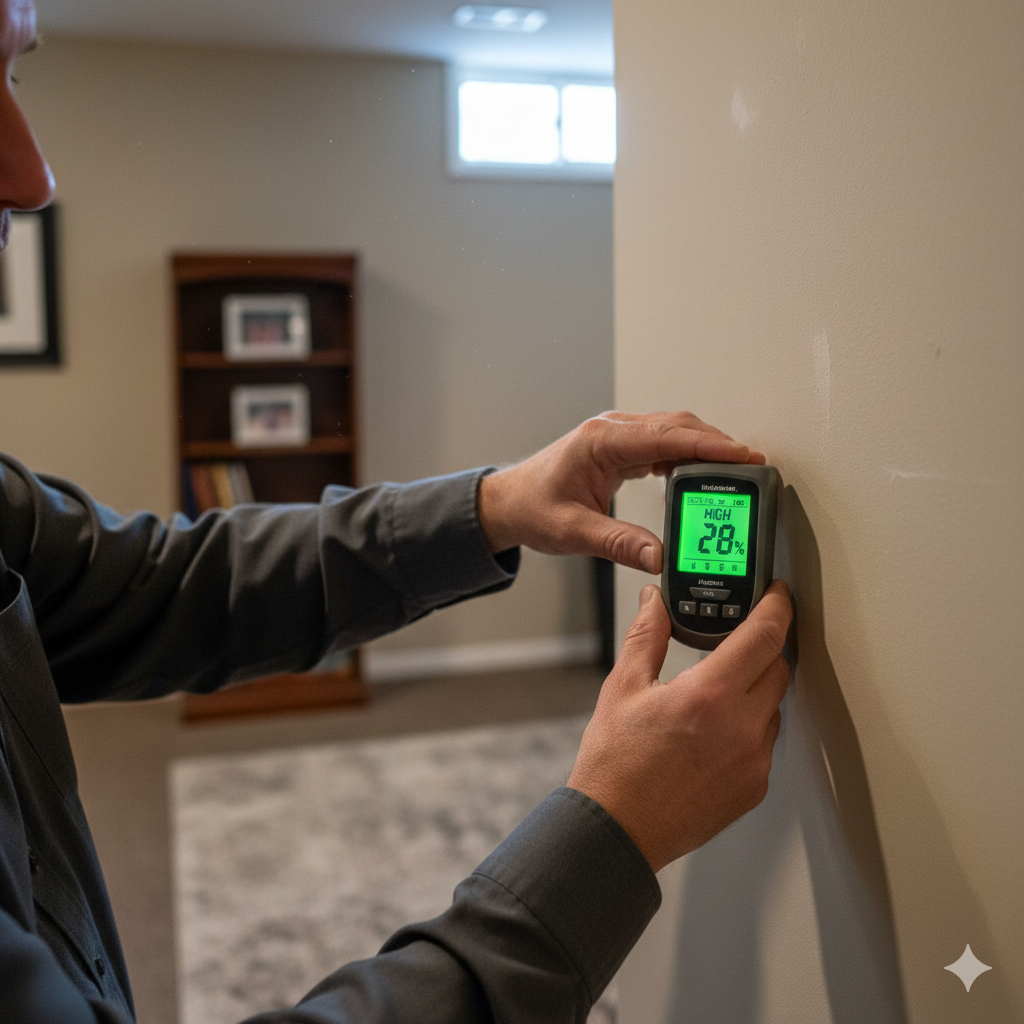
Disclosure amnesia: Failing to disclose known water intrusion history destroys credibility. When an inspector finds moisture meter evidence of previous leaks, buyers assume everything is hidden. The negotiation shifts from problem-solving to adversarial posturing.
How Sellers Can Prevent Inspection Surprises
The most effective way to avoid post-inspection failures is to identify and address problems before listing. Sellers who invest in preparation control the narrative and negotiate from strength.
The Pre-Listing Inspection
A pre-listing inspection costs $400 to $600 and reveals the issues most likely to kill deals: radon, roof condition, foundation problems, major mechanical failures. With this knowledge, sellers can either repair defects or price the home accordingly, eliminating the surprise that derails negotiations.
Sewer Scope Verification
For homes built before 1980, a sewer scope inspection is essential. This video inspection of the lateral line costs $150 to $250 and identifies root intrusion, pipe collapse, or bellied sections before buyers discover them. A clean scope becomes a marketing asset: "Sewer Line Clean and Intact" provides measurable reassurance.
HVAC Service Documentation
A dirty, neglected furnace suggests broader deferred maintenance. A serviced unit with a dated maintenance sticker builds subconscious trust. This small investment—often under $150—signals that the home has been properly maintained.
If you're preparing to sell and want to identify potential deal-killers before listing, I'm happy to walk through a pre-inspection strategy tailored to your property's age and condition. Contact me to discuss your situation.
Strategic Inspection Approaches for Buyers
Buyers can structure their offers and inspection responses to minimize deal failure while protecting their interests. Strategic framing often matters more than the specific items requested.
The "Major Defects Only" Clause
Writing an offer that states "Buyer will only request repairs for single items exceeding $1,000 or safety and environmental hazards" wins bidding wars against higher offers with pickier inspection terms. Sellers value certainty, and this clause signals a buyer who will not nickel-and-dime the transaction.
Walk-and-Talk Consultations
Bringing a contractor or inspector to the showing—before making an offer—provides a 30-minute overview that rules out massive structural failure early. This investment reduces the risk of wasted inspection fees and emotional attachment to a property with unfixable problems.
Escrow Holdbacks for Weather-Dependent Repairs
When weather prevents a repair—exterior concrete work in December, for example—negotiating an escrow holdback of 1.5 times the bid cost allows closing to proceed. The funds release when work is completed in spring, protecting both parties while keeping the transaction on track.
Frequently Asked Questions
What are the most common home inspection failures in Omaha?
In Omaha, the most common home inspection failures are high radon levels, foundation bowing due to expansive clay soils, roof hail damage, and sewer line blockages in older neighborhoods. Approximately 50 percent of Omaha homes test above the EPA action level for radon, making mitigation systems a frequent negotiation point.
Can a buyer walk away after inspection in Nebraska?
Yes. The standard Nebraska residential purchase agreement includes an inspection contingency. If the inspection reveals defects the buyer finds unacceptable—and the seller refuses to repair them—the buyer can terminate the contract and receive a full refund of earnest money, provided they act within the contingency window, typically 10 to 14 days.
Is radon testing required in Omaha home sales?
Radon testing is not legally required to sell a home in Omaha, but it is highly recommended and standard practice. Because Douglas County is an EPA Zone 1 high-radon area, most buyers request a test. If levels exceed 4.0 pCi/L, buyers typically request seller-installed mitigation, which costs between $1,200 and $2,000.
Who pays for inspection repairs in Omaha?
Inspection repairs are negotiable. Sellers are not legally obligated to fix anything unless the contract specifies otherwise. However, sellers typically pay for deal-killer items—structural defects, safety hazards, and environmental risks like radon—to keep transactions intact. Cosmetic repairs are rarely covered in a balanced market.
What is a sewer scope and is it needed in Omaha?
A sewer scope is a video inspection of the lateral sewer line connecting the home to the city main. In Omaha, it is critical for homes built before 1970, which often have cast iron or clay pipes susceptible to tree root intrusion and collapse. A collapsed line costs $10,000 or more to replace, making the $150 to $250 inspection fee a vital investment for buyers.
About Linda Moy
Move-Up & Sell-to-Buy Real Estate Specialist | Nebraska Realty
Linda Moy specializes in helping homeowners sell their current home and move up with clarity, confidence, and control. Her approach focuses on timing strategy, equity optimization, and protecting clients from common sell-to-buy risks like double payments, missed opportunities, or rushed decisions.
A consistent top producer, Linda is known for her calm leadership, detailed planning, and ability to align selling and buying timelines smoothly. Her work has earned multiple honors, including Rookie of the Year, Entrepreneur of the Year (Women's Council of Realtors®), and the Nebraska Realty Renne Lampman Award for outstanding service.
Originally from McCook, Nebraska, Linda has called Omaha home since 1993 and remains deeply involved in the community, including board service with the Divine Mercy Food Pantry.
Thinking about moving up?
🌐 lindamoy.com
Categories
Recent Posts


SCHEDULE YOUR MOVE-UP STRATEGY SESSION
Move WITHOUT the stress, double moves, or leaving equity on the table.
Karen Keller

Kyle Andersen
Chloe King
Connie Karnes
Brenna Allen
Kayla Mack
Vicki Smith
Tyler Steel
Dawson Spurgis