
What Repairs to Make Before Selling Your House in Omaha? (2026 ROI)
Deciding which repairs to make before listing your Omaha home isn't about doing everything—it's about doing the right things. The market has shifted. Buyers are no longer waiving inspections, and inventory is up roughly 18% year-over-year. Strategic repairs widen your buyer pool, protect your net proceeds, and prevent deal-killing surprises during inspection.
Which Repairs Actually Pay Off When Selling a Home in Omaha?
The highest-return repairs in the Omaha metro target what buyers fear most: hidden mechanical problems and structural uncertainty. Cosmetic updates matter, but they matter far less than eliminating deal-killers. A clean structural letter or installed radon system does more for your sale price than new countertops ever will.
I advise my clients to think in terms of "spend $1 to get $2–$3 back." That means prioritizing repairs that either dramatically increase perceived value or remove objections that cause buyers to walk. Here's how the numbers break down in our market.
Foundation: The Structural Letter Strategy
Omaha sits on clay-heavy soil, and settling is common across every neighborhood from Dundee to Elkhorn. When buyers see hairline cracks, they imagine $15,000 repair bills—even when no repair is needed. Rather than proactively piering your foundation, hire a structural engineer for an inspection report. This costs $500–$800 and produces a documented "clean bill of health" that neutralizes buyer leverage. If active repair is needed, wall anchors and piers typically run $1,500–$3,000 per pier.
Radon Mitigation: The Non-Negotiable Fix
Douglas and Sarpy counties have high radon prevalence. Installing a mitigation system before listing costs $1,000–$1,500 on average—and returns nearly 100% because it removes the most common inspection demand. Without it, roughly 80% of buyers will require installation as a condition of closing, which delays your timeline and hands them negotiating power. Homes with crawl spaces may cost closer to $2,000 due to additional sealing requirements.
Curb Appeal: Garage Doors and Entry Doors
In suburban Omaha—Millard, Elkhorn, Gretna, Bennington—the garage door accounts for up to 40% of your home's façade. Garage door replacement shows approximately 268% ROI in current projections. A steel entry door replacement delivers roughly 216% ROI. These are among the highest-return investments you can make, and they shape a buyer's first impression before they step inside. Budget approximately $4,500 for a garage door and $2,500 for an entry door.
Interior Paint: The Reset Button
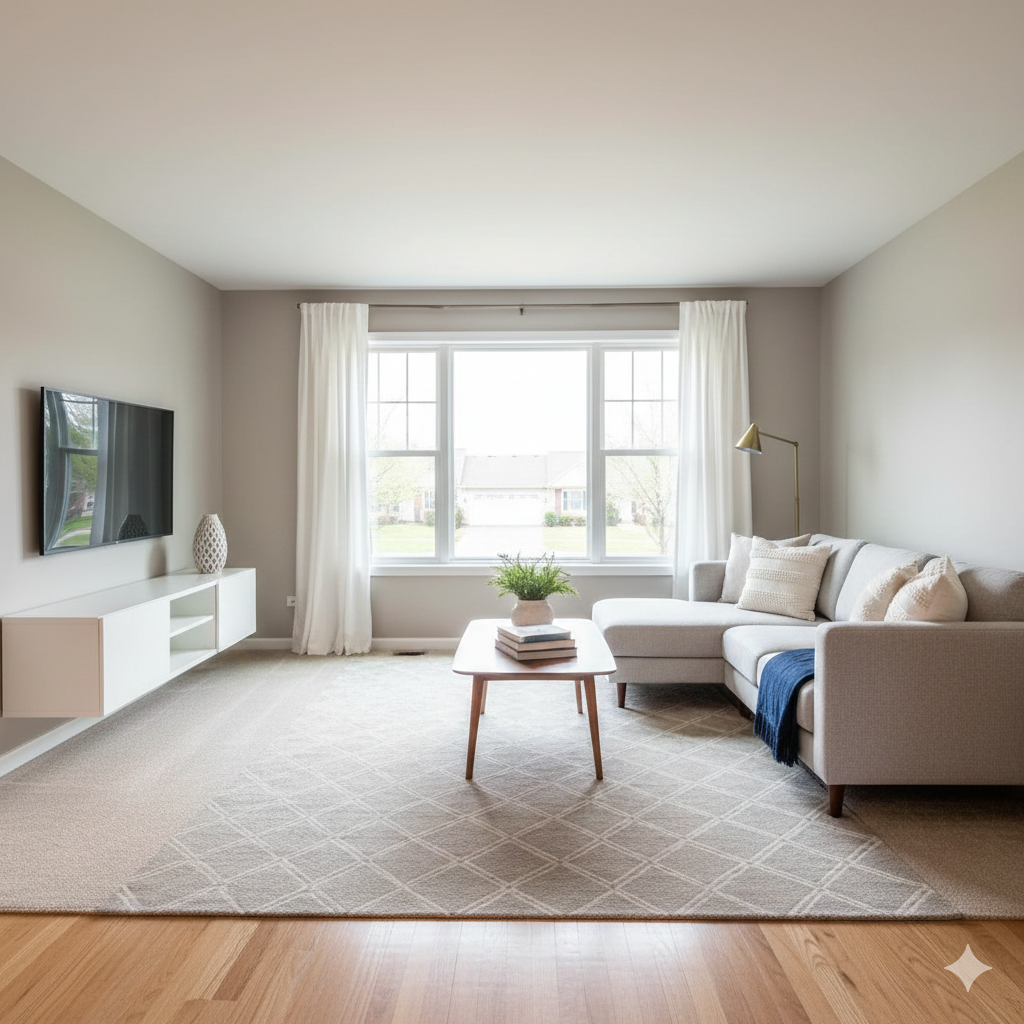
Buyers struggle to see past dated color choices. Beige, yellow, and bold accent walls shrink your buyer pool. Professional interior painting costs $2–$4 per square foot. Focus on the main floor only, using neutrals like Sherwin Williams "Agreeable Gray" or "City Loft." This investment typically increases offers by 1–3% and cuts days on market by half.
Roof Certification: The Alternative to Replacement
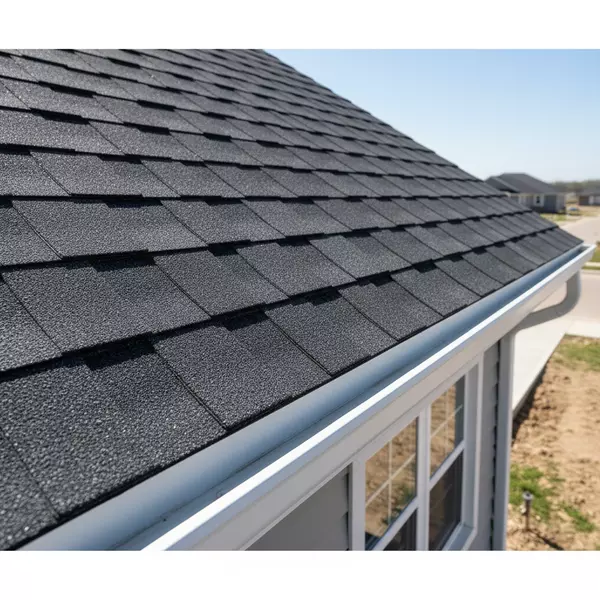
Nebraska's hail threats make buyers nervous about older roofs. Full replacement runs approximately $14,500 for asphalt. However, if your roof is over 15 years old but still functional, a roof certification—which provides a 2-year leak warranty—costs only $500–$800 and neutralizes the "old roof" objection without the full expense.
Which Repairs Lose Money When Selling?
Over-improving is just as costly as under-repairing. The most common mistake I see is spending $40,000 on a kitchen remodel in a $350,000 Millard home—and recouping only 60% of that investment. Buyers often rip out brand-new kitchens if they don't match their taste.
| Improvement | Typical ROI | Guidance |
|---|---|---|
| Full Kitchen Remodel (Mid-Range) | 50–60% | Avoid unless selling above $500k |
| Luxury Bathroom Addition | ~55% | Over-improves most Omaha price points |
| Finishing Basement (for sale) | 60–70% | Exception: adds legal bedroom to reach new comp tier |
| Window Replacement | ~60% | Clean existing windows; replace only if broken/fogged |
Finishing a basement solely to sell typically returns only 60–70 cents on the dollar. The exception is when adding an egress window and closet creates a legal bedroom that moves your home into a higher comparable bracket—say, from a 2-bedroom to a 3-bedroom. In that case, ROI can exceed 100%.
Pre-listing repairs influence net proceeds and timing. These factors are especially important when deciding whether to sell before buying a replacement home.
What Are the Trade-Offs of Selling As-Is in Omaha?
Selling as-is is always an option, but the math needs to make sense. The gap between a repaired retail sale and an as-is investor offer is often $40,000–$80,000 on a median-priced home. Here's how the numbers typically land.
| Strategy | Est. Sale Price | Est. Net to Seller | Days on Market | Buyer Type |
|---|---|---|---|---|
| Retail (Repaired) | $315,000 | $290,000 | 10–25 | Conventional/FHA |
| As-Is (MLS) | $270,000 | $250,000 | 30–60 | Bargain hunters/flippers |
| As-Is (Cash Investor) | $210,000 | $210,000 | 7 | Wholesalers/investors |
My decision rule for clients: If repairs cost less than $15,000 and bridge the gap to retail, do them. If repairs exceed $40,000, list as-is on the MLS but price accurately for condition. Only accept cash investor offers if you need liquidity within 14 days or have severe issues like hoarding or major structural failure.
How Do Repair Expectations Differ by Omaha Neighborhood?
What works in Benson won't work in Elkhorn. Buyer expectations vary dramatically across Omaha's neighborhoods, and your repair strategy should match your location.
District 66 / Westside / Regency
Buyers here are affluent and highly specific. "Good bones" isn't enough—they want finished or architecturally distinctive. Focus on landscaping, hardwood floor refinishing, and high-end entry doors. Deal breakers include dated electrical panels (especially fuse boxes) and damp basements.
Dundee / Midtown
These buyers value character over perfection. They'll tolerate radiator heat and older windows if original wood trim is preserved. Focus on tuckpointing, restoring original woodwork, and functional radiator covers. Deal breaker: cheap "flipper" gray vinyl flooring installed over original hardwood.
Elkhorn / Gretna / Bennington
This is the toughest market for existing homes because buyers can purchase new construction for $450,000+ with builder incentives. Your home must look nearly new. Carpet must be replaced if worn. Paint must be flawless. Any visible deferred maintenance sends buyers directly to the model home down the street.
Benson
First-time buyers and DIYers dominate this market. They want livable and upgradeable—not perfect. Focus on functional mechanicals (furnace/AC in working order). Deal breakers are FHA/VA flags: peeling paint on pre-1978 homes, missing handrails, safety hazards that kill financing.
What Issues Fail FHA and VA Appraisals in Omaha?
FHA and VA loans have minimum property requirements that can disqualify your home from a large segment of buyers. The most common fail points in Omaha include peeling paint on homes built before 1978 (lead paint concern), missing handrails on stairs, broken windows, and active roof leaks. Peeling paint is mandatory to scrape and repaint before closing, or the loan will be denied. If your home can't meet these requirements, you've narrowed your buyer pool to cash buyers and conventional borrowers only.
What About Electrical Panels and Safety Issues?
Federal Pacific and Zinsco electrical panels are effectively unsellable in today's market. Insurance companies frequently refuse to cover homes with these panels, which means buyers with mortgages cannot purchase your home. Replacement costs $2,000–$3,000 and is non-negotiable if these panels are present.
Similarly, replacing outdated "boob lights" with modern flush-mount fixtures ($30 each) is a high-ROI DIY update that instantly modernizes rooms. These small improvements signal a well-maintained home.
Frequently Asked Questions
Should I replace my carpet before selling?
Only if it's stained or smells. If it's just dated but clean, offer a credit instead. If there's odor, replace it with inexpensive neutral carpet. Smell is a deal-killer that no credit can overcome.
How much does staging help?
In vacant homes, staging reduces days on market by approximately 40%. In occupied homes, thorough decluttering is free and achieves 90% of the same effect.
Will buyers waive inspections in 2026?
Rarely. The market has normalized. Expect an inspection and prepare for repair requests on safety and structural items.
What if my driveway is cracked?
Seal the cracks for around $500. Do not replace the entire driveway ($10,000+) unless it's a trip hazard. Omaha buyers expect winter-worn concrete.
Is landscaping worth the investment?
Fresh mulch ($200) and trimming overgrown bushes is essential. Do not plant new trees or install hardscaping—buyers won't pay for it.
Should I upgrade to granite counters?
In homes under $300,000, yes—if the current counters are damaged laminate. Use Level 1 granite or quartz. In homes above $400,000, quality counters are expected.
How long will it take to sell as-is?
Priced correctly on the MLS: 30–45 days. Priced too high for condition: 90+ days, ultimately selling for less than early offers.
What is the golden rule of pre-listing repairs?
If you can't see it (plumbing, insulation), don't upgrade it unless it's broken. If you can see it (paint, floors, fixtures), make it look clean.
Making the Right Decision for Your Situation
Every home and every seller's timeline is different. The question isn't "what should I repair?" but "what repairs make financial sense given my goals?" If you're trying to maximize net proceeds and have 30–60 days before listing, strategic repairs almost always outperform price reductions. If you need to move quickly or face major structural issues, pricing accurately for as-is condition protects you from extended market time.
If you'd like a no-pressure walkthrough of your home to identify which repairs would actually move the needle for your sale, I'm happy to provide that assessment. Reach out here to schedule a time.
About Linda Moy
Move-Up & Sell-to-Buy Real Estate Specialist | Nebraska Realty
Linda Moy specializes in helping homeowners sell their current home and move up with clarity, confidence, and control. Her approach focuses on timing strategy, equity optimization, and protecting clients from common sell-to-buy risks like double payments, missed opportunities, or rushed decisions.
A consistent top producer, Linda is known for her calm leadership, detailed planning, and ability to align selling and buying timelines smoothly. Her work has earned multiple honors, including Rookie of the Year, Entrepreneur of the Year (Women's Council of Realtors®), and the Nebraska Realty Renne Lampman Award for outstanding service.
Originally from McCook, Nebraska, Linda has called Omaha home since 1993 and remains deeply involved in the community, including board service with the Divine Mercy Food Pantry.
Thinking about moving up?
Let's map your move together
Categories
Recent Posts

SCHEDULE YOUR MOVE-UP STRATEGY SESSION
Move WITHOUT the stress, double moves, or leaving equity on the table.
Karen Keller

Kyle Andersen
Chloe King
Connie Karnes
Brenna Allen
Kayla Mack
Vicki Smith
Tyler Steel
Dawson Spurgis