
Omaha HOA Costs & Risks — What Every Buyer Should Know Before Buying in an HOA Community (2026)
Homeowners associations are a fact of life in most new Omaha neighborhoods — and in many established ones too. For buyers, the HOA question isn't just about the monthly fee (though that matters). It's about what the association governs, how well it's managed financially, whether there are pending special assessments, and whether the rules fit how you actually want to live. In Omaha's market in 2026, HOA fees range from around $50/month for a simple maintenance agreement to $400+/month in master-planned communities with pools, clubhouses, and extensive amenities. This guide covers what to look for in HOA documents, the risks most buyers overlook, and the red flags that should make you walk away from an otherwise attractive home.
Most Omaha HOA fees fall within a predictable range, but the monthly cost is rarely the real issue. The bigger risk comes from hidden assessments, restrictive resale rules, and long-term fee escalation that buyers don’t discover until after closing. Here’s how to evaluate whether an HOA is protecting your investment or quietly working against it.
Move-up buyers in Omaha face a critical decision when evaluating homes with homeowners associations. The difference between a well-managed HOA and a financially troubled one can mean tens of thousands of dollars in unexpected costs—or worse, foreclosure risk. This guide breaks down everything Omaha buyers need to know about HOA costs, assessment risks, governance red flags, and when an HOA home makes sense for your situation.
What Omaha HOAs Actually Cost
Single-family HOA fees in the Omaha metro range from $75 to $300 per year, while townhome and condo associations typically run $300 to $400 or more per month. The higher condo fees cover exterior maintenance, building insurance, and structural repairs that single-family homeowners handle themselves.
HOA fees increase 3 to 5 percent annually due to inflation and rising labor costs. A $150 monthly fee today becomes roughly $180 in five years and $220 in ten years. This escalation is normal and expected—fees growing faster than 5 percent annually signal potential financial trouble.
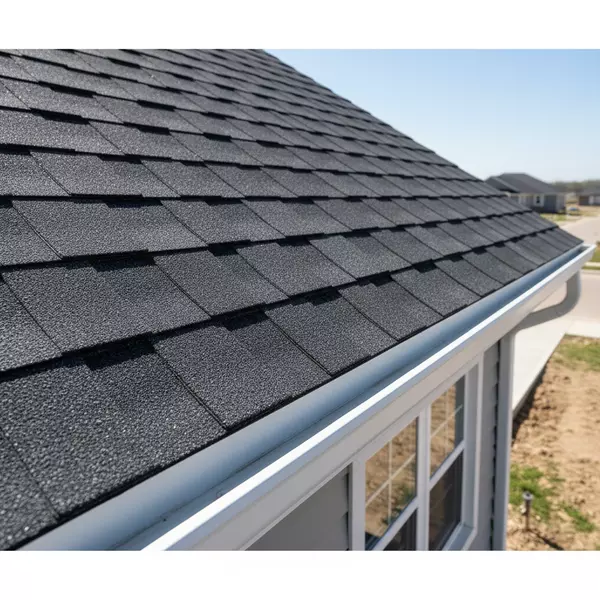
The real cost concern is not the monthly fee but special assessments. Between 30 and 40 percent of HOA homeowners experience at least one special assessment during a ten-year ownership period. These one-time charges typically range from $2,000 to $5,000, though roof replacements in multi-unit buildings can reach $10,000 to $15,000 per unit.

HOA obligations affect long-term affordability and flexibility. These considerations often factor into a broader rent-versus-buy decision for people relocating to Omaha.
| Property Type | Typical Fee Range | What's Covered |
|---|---|---|
| Single-Family HOA | $75–$300/year | Common area landscaping, covenant enforcement, amenities |
| Townhome | $250–$350/month | Exterior maintenance, roof, some landscaping |
| Condo | $300–$400+/month | Building insurance, structure, all exterior maintenance |
Special Assessment Risk and Why It Matters
Special assessments occur when an HOA's reserve fund cannot cover a major expense. The most common triggers include roof replacements, structural repairs after weather damage, aging infrastructure failures, and legal costs from litigation. When reserves fall short, the board has no choice but to bill homeowners directly.
Boards chronically underfund reserves for several reasons. Volunteer board members often lack financial planning expertise. Political pressure keeps fees artificially low because raising dues is unpopular. The result is a community that looks well-maintained on the surface while heading toward a financial cliff.
I've seen buyers purchase a home in what appeared to be a pristine neighborhood, only to receive a $9,000 special assessment notice three months later for a roof replacement the previous owner knew was coming. The listing materials mentioned nothing about underfunded reserves or upcoming capital projects.
Assessment Scenarios That Devastate Buyers
Consider a building that needs a $500,000 roof replacement. If the reserve fund holds only $50,000, the board must levy a $450,000 special assessment. Divided among 50 units, each homeowner receives a bill for $9,000—often due within 60 days. Homeowners who cannot pay face liens and potential foreclosure.
Another common scenario involves delinquency cascades. When too many homeowners stop paying their regular assessments, the board must charge compliant owners extra to cover the shortfall. This creates resentment, drives more delinquencies, and can collapse community governance entirely.
Nebraska HOA Foreclosure Law
Nebraska law grants HOAs significant collection power under Nebraska Revised Statute 52-2001. An HOA can place a lien on your property for unpaid assessments and ultimately foreclose on your home—even if you've never missed a mortgage payment.
The HOA lien ranks below your first mortgage and property taxes but above almost everything else. Critically, Nebraska's homestead exemption does not protect against HOA liens because you waive that protection when you accept the community's covenants.
The HOA must begin foreclosure proceedings within three years of the assessment due date. After three years, the lien expires and the association loses its collection right. The foreclosure process follows the same procedures as a mortgage foreclosure, including reasonable notice requirements to all lienholders.
Late fees and attorney's costs become part of the lien amount, increasing what you owe. The practical implication: if you cannot pay a special assessment, the HOA can and will pursue legal remedies that threaten your home ownership.
How HOA Fees Affect Your Mortgage Approval
Lenders include HOA fees in your debt-to-income calculation. A $200 to $300 monthly HOA fee reduces your maximum mortgage approval by approximately $45,000 to $70,000. Many move-up buyers discover this late in their home search when they're already emotionally committed to properties they cannot actually afford.
Here's how the math works for a household earning $120,000 annually. With a 45 percent maximum debt-to-income ratio, total monthly debt payments cannot exceed $4,500. After accounting for a $1,500 mortgage, $400 property taxes, and $200 insurance, only $2,400 remains. Add a $300 HOA fee and the remaining capacity for car payments, student loans, and credit cards drops to $2,100. Many families find this leaves no room for their existing obligations.
Some lenders also scrutinize the HOA's financial health. If reserves fall below 50 percent of recommended levels, certain lenders may decline the loan entirely or require higher down payments.
Who HOAs Work Best For
HOAs provide genuine value for specific buyer profiles. Understanding whether you fit these categories—or whether HOA living will create ongoing frustration—is essential before making an offer.
Optimal Fit: Condo and Townhome Buyers
Attached housing makes the HOA trade-off most sensible. The association manages the roof, building systems, and exterior structure that would otherwise be your individual responsibility. Shared liability protection covers common area accidents. Building insurance comes bundled, eliminating coverage gaps.
Busy professionals, frequent travelers, and retirees who want zero exterior maintenance responsibility benefit most. The higher fees—$300 to $400 monthly—are justified by the comprehensive scope of what the HOA handles.
Good Fit: Premium Single-Family Neighborhoods
Established luxury neighborhoods in Omaha—Regency, Fairacres, parts of Dundee-Happy Hollow—often have well-managed HOAs with strong reserves. These communities offer private amenities, gated access, and consistent property values. Homes typically sell at a 4 to 6 percent premium compared to similar non-HOA properties.
Buyers targeting the $400,000 to $800,000 range who want move-up prestige and accept covenant restrictions find these communities worthwhile. The key question: is the HOA fee justified by documented reserve health and actual amenity quality?
Poor Fit: Autonomy-Focused Buyers
If you want to paint your house an unconventional color, install solar panels, park an RV in your driveway, or make landscaping decisions without approval committees, HOA living will frustrate you. Covenants commonly restrict exterior modifications, pet ownership, home-based businesses, and rental arrangements.
DIY enthusiasts, contractors, pet advocates, and gardeners typically regret buying into restrictive communities within two to three years. A non-HOA single-family home trades yard maintenance responsibility for the freedom to use your property as you choose.
Poor Fit: Budget-Constrained Buyers
If your mortgage approval already stretches your budget, adding HOA fees creates dangerous exposure. A $250 monthly fee equals $3,000 annually with no mortgage interest tax deduction. When a special assessment arrives—and eventually one will—you face an immediate financial crisis with no payment flexibility.
Unlike mortgage hardship programs, HOA assessments offer no negotiation room. The association can foreclose within three years. Budget-constrained buyers are better served by non-HOA older homes or new construction where developer reserves are pre-funded.
Red Flags That Should Stop Your Purchase
Financial and governance problems in HOAs follow predictable patterns. Learning to spot these warning signs before closing protects you from inheriting someone else's crisis.
Financial Red Flags
A reserve fund below 30 percent of the annual budget signals critical underfunding. The association cannot cover even one major unexpected expense. Any roof leak, equipment failure, or structural damage will force an immediate special assessment.
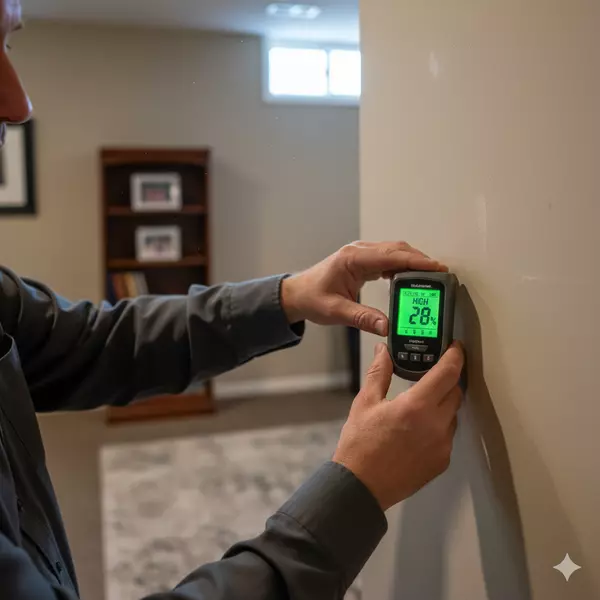
Reserve studies older than three years—or missing entirely—hide deteriorating conditions. Inflation, accelerated wear, and new code requirements make old studies unreliable. If the HOA refuses to commission a current study, walk away.
Delinquency rates above 5 percent indicate financial stress spreading through the community. When too many homeowners fall behind, the board must assess compliant owners to cover the shortfall. High delinquency also suggests underlying economic problems in the neighborhood.
Watch for operating deficits where spending exceeds income. HOAs cannot run perpetual deficits without depleting reserves or levying assessments. If the budget shows more money going out than coming in, ask how the board plans to close the gap.
Governance Red Flags
Boards that refuse to share financial records with residents have something to hide. Most states require open financial access. A legitimate HOA has no reason to withhold budget documents, reserve studies, or meeting minutes from prospective buyers.
No regular board meetings or hidden agendas suggest unaccountable governance. Request the past 24 months of meeting minutes. Fewer than quarterly meetings indicate poor oversight. Decisions made informally without documentation create liability for every homeowner.
High turnover in management companies—three or more changes in five years—signals chronic conflict or dysfunction. Institutional knowledge disappears with each transition, and community improvements get deferred indefinitely.
Document Red Flags
Pending litigation that goes undisclosed can become your financial burden. Lawsuit defense costs and settlement amounts often get assessed to homeowners. Require pending litigation disclosure as a condition of your offer.
Past special assessments omitted from the listing are a serious warning. If the HOA levied a $5,000 assessment last year and the seller said nothing, you're inheriting a pattern of financial problems the seller wanted to escape.
CC&Rs with excessive restrictions—no exterior modifications, breed bans, business prohibitions, rental limits—reduce your resale pool and limit future flexibility. Read the full covenant document, not just the summary.
The Due Diligence Process
When your offer is accepted, you typically have three to seven days to review HOA documents. Use this time aggressively—this is your last opportunity to discover problems before you're legally bound.
Days 1–2: Request Documents
Email HOA management immediately requesting the complete disclosure package: declaration, bylaws, financial statements, reserve study, meeting minutes from the past 24 months, special assessment history, master insurance policy, and management contract. If the package doesn't arrive within 48 hours, escalate with phone calls.
Days 2–3: Financial Review
Examine the reserve study first. Funding above 50 percent indicates reasonable financial health. Below 40 percent means high assessment risk within two to five years. If no study exists, that alone is grounds for withdrawal.
Compare the annual budget to actual spending. Variances above 10 percent signal poor financial controls. Check whether the association runs a surplus or deficit. Review the delinquency rate—anything above 5 percent deserves serious concern.
Days 3–4: Governance Review
Read board meeting minutes for signs of competent management. Were meetings held at least quarterly? Were homeowner questions addressed? Were financial decisions explained transparently? Defensive or secretive governance patterns predict future problems.
Document the special assessment history for the past ten years. Multiple assessments indicate chronic planning failures. A pattern of financial shocks suggests the board has learned nothing from past mistakes.
Days 4–5: Independent Validation
For any HOA with reserves below 50 percent, consider hiring an independent auditor. The cost—$2,000 to $4,000—is insignificant compared to a surprise $10,000 assessment. Auditors verify reserve adequacy, financial controls, and governance compliance within 48 to 72 hours.
Contact two or three current homeowners if possible. Ask directly about surprises, assessment history, and management quality. Residents who've lived in the community for several years know things that don't appear in official documents.
How to Protect Yourself from Assessment Shock
Even with thorough due diligence, some assessment risk remains. These strategies minimize your exposure.
Loss Assessment Insurance
Add a loss assessment endorsement to your homeowners policy before closing. This coverage—typically $10,000 to $25,000—pays for HOA-levied assessments that result from insurance shortfalls, deductible overages, or liability judgments. The premium runs $30 to $60 annually, making it one of the most cost-effective protections available.
Loss assessment coverage does not pay for routine maintenance, capital improvements, or budget shortfalls due to poor planning. But it provides a critical safety net for the catastrophic scenarios that can devastate homeowners financially.
Conservative Financial Projection
Budget for reality, not optimism. Assume your HOA fee increases 4 percent annually. Assume at least one $3,000 to $5,000 assessment over your ten-year ownership window. A $200 monthly fee today becomes $297 in ten years, plus assessment risk that averages another $40 to $50 monthly when amortized.
Your debt-to-income calculation should leave room for these increases. Buyers who stretch to maximum mortgage approval with current HOA fees have no buffer when costs rise.
Contract Contingencies
Make your offer contingent on reserve funding above a specific threshold—50 percent is reasonable. Alternatively, require the board to commit to a five-year reserve rebuilding plan before you proceed.
Obtain an estoppel certificate from the HOA confirming no hidden back-dues, pending assessments, or unresolved violations against your unit. This document protects you from claims that emerge after closing.
Post-Purchase Monitoring
Stay engaged after you move in. Request monthly financial reports. Attend annual meetings to learn about upcoming projects before they become emergency assessments. Consider joining the board or finance committee for direct visibility into financial planning.
Informed homeowners rarely face assessment surprises. The buyers who get blindsided are those who signed the closing documents and never looked at HOA finances again.
If you're considering a move-up purchase in Omaha and want help evaluating whether an HOA home fits your situation, I'm happy to walk through the specific financial analysis for any property you're considering.
About Linda Moy
Move-Up & Sell-to-Buy Real Estate Specialist | Nebraska Realty
Linda Moy specializes in helping homeowners sell their current home and move up with clarity, confidence, and control. Her approach focuses on timing strategy, equity optimization, and protecting clients from common sell-to-buy risks like double payments, missed opportunities, or rushed decisions.
A consistent top producer, Linda is known for her calm leadership, detailed planning, and ability to align selling and buying timelines smoothly. Her work has earned multiple honors, including Rookie of the Year, Entrepreneur of the Year (Women's Council of Realtors®), and the Nebraska Realty Renne Lampman Award for outstanding service.
Originally from McCook, Nebraska, Linda has called Omaha home since 1993 and remains deeply involved in the community, including board service with the Divine Mercy Food Pantry.
Thinking about moving up?
Categories
Recent Posts




SCHEDULE YOUR MOVE-UP STRATEGY SESSION
Move WITHOUT the stress, double moves, or leaving equity on the table.
Karen Keller

Kyle Andersen
Chloe King
Connie Karnes
Brenna Allen
Kayla Mack
Vicki Smith
Tyler Steel
Dawson Spurgis