
Home Maintenance & Replacement Costs in Omaha (2026 Guide)
Omaha's severe winters, freeze-thaw cycles, and summer storm exposure compress the lifespan of every major home system. Move-up buyers evaluating resale homes in Elkhorn, Bennington, Gretna, and greater Omaha should expect HVAC, roofing, water heaters, and electrical panels to age faster than national averages. This guide establishes realistic replacement timelines, current costs, and negotiation strategies specific to Omaha's climate and the 2026 buyer's market conditions.
Table of Contents
- How Omaha's Climate Accelerates System Wear
- HVAC Replacement: Timeline and Costs
- Roof Replacement: What Omaha Homeowners Face
- Water Heater Lifespan and Replacement
- Electrical System Concerns in Older Homes
- Inspection and Negotiation Strategy
- Home Warranty vs. Replacement Planning
- Budget Planning for Move-Up Buyers
How Omaha's Climate Accelerates System Wear
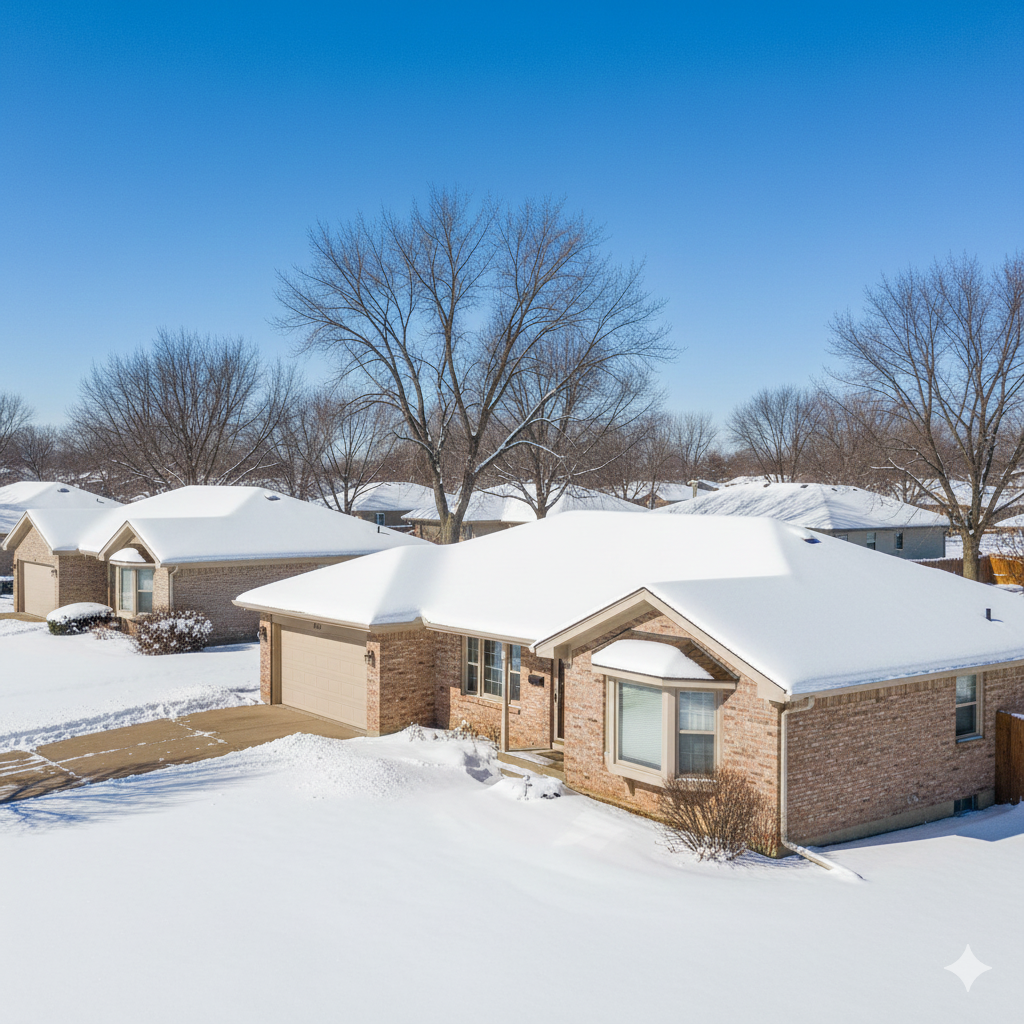
Omaha's climate operates as an accelerant on home systems. Winter temperatures drop to extremes as low as -22°F with wind chills reaching -40°F, while freeze-thaw cycles occur three to four times per winter—the fastest deterioration mechanism for roofing materials. These conditions compress system lifespans by 20-30% compared to moderate climates.
The specific climate factors affecting home systems include:
- Winter severity: Extended heating demand from November through March forces furnaces to operate 40-50% more hours annually than homes in temperate regions
- Snow load stress: Average annual snowfall of 25-30 inches, with wet snow weighing up to 21 pounds per square foot, concentrates stress on roof structures
- Ice dam formation: Heat loss combined with snow cover creates water backup under shingles, accelerating roof replacement timelines by 5-10 years
- Summer humidity and storms: Temperatures reaching 80-90°F with high humidity force HVAC systems into extended cooling cycles, while thunderstorm season (averaging nine storms monthly from June through September) brings hail risk
- Climate trajectory: Projections indicate Omaha will experience 30 additional days above 94.8°F annually by 2050, increasing future cooling demand
HVAC Replacement: Timeline and Costs
HVAC systems rated for 15-20 years nationally typically last 12-15 years in Omaha. The combination of severe cold winters, humidity-driven summer cooling loads, and frequent power surges from storm activity creates accelerated wear on compressors, capacitors, and contactors.
Omaha-Specific Lifespan Expectations
| Component | National Average | Omaha Realistic Lifespan |
|---|---|---|
| Furnace | 30+ years (mild climate) | 12-15 years |
| Central AC | 15-20 years | 10-12 years |
| Combined System Failure | 15-18 years | 12-14 years |
2026 Replacement Costs in Omaha
Current documented costs for HVAC replacement in the Omaha metro area:
- Furnace only: $2,100-$3,800 (includes $1,500-$2,400 labor and $600-$1,400 for the unit)
- Central AC unit: $4,971 average, with range from $1,855 to $9,275 depending on tonnage and efficiency rating
- Full system replacement (furnace and AC together): $10,000-$12,200 based on documented quotes from February through May 2024
Replacing furnace and AC together is strongly recommended when either unit exceeds 12 years. Mismatched systems reduce efficiency by 15-25%, and pairing a new high-efficiency unit with an aging counterpart often negates the upgrade benefits.
Inspection Red Flags
- System age exceeding 12 years without documented service records
- Visible corrosion on the outdoor condenser coil
- Furnace flame color off (yellow instead of blue indicates combustion efficiency loss)
- Uneven heating or cooling across zones, suggesting refrigerant leak or compressor failure
- Unusual noise at startup, indicating compressor strain
Roof Replacement: What Omaha Homeowners Face
Asphalt shingle roofs rated for 20-30 years nationally typically last 10-20 years in Omaha. Ice dam formation, hail exposure, and thermal cycling from freeze-thaw patterns create cumulative damage that shortens roof life significantly.
Why Omaha Shortens Roof Lifespan
Ice dams present a unique winter hazard in this market. Heat loss from the home melts snow at the ridge, water runs toward the eaves, and refreezes—creating ice dams two to four inches thick. Water then seeps through the shingle matrix into the attic, potentially rotting decking and rafters. Freeze-thaw cycling causes shingles to crack after three to five cycles per winter, while hail damage during spring and summer storms can create impact pockmarks that expose underlayment to UV and moisture.
2026 Replacement Costs
- Full roof replacement: $20,000-$25,000 for a typical Omaha home (1,600-2,000 square feet)
- Cost per square foot: $5-7 for architectural asphalt shingles; $4-5 for three-tab basic shingles
- Labor portion: Approximately 40-50% of total cost
Inspection Red Flags
- Roof age exceeding 15 years warrants automatic concern in Omaha's climate
- Missing, curled, or buckling shingles
- Visible hail damage including pockmarks, dislodged shingles, or exposed underlayment
- Sagging roof sections indicating structural issues or truss and decking rot
- Evidence of previous leaks in attic including water stains, mold, or dark patches on decking
- Improperly sealed flashing around chimneys and vents
- Damaged, clogged, or improperly pitched gutters that allow water pooling
I always recommend my clients hire a dedicated roofer for final assessment when evaluating homes with roofs over 15 years old. Home inspectors provide valuable general assessments, but roofers identify structural rot and underlayment damage that generalists often miss.
Water Heater Lifespan and Replacement
Standard tank water heaters carry a national lifespan rating of 8-12 years. In Omaha, hard water conditions can reduce this to 7-9 years due to mineral sediment buildup that accelerates anode rod corrosion and insulates heating elements.
2026 Replacement Costs
- Tank replacement (40-50 gallon): $1,000-$2,500 total, with unit cost of $300-$1,200 and labor of $200-$500. Budget $1,200-$1,800 for average Omaha installation
- Tankless conversion: $2,000-$5,000 (higher upfront cost but saves $100-$200 annually in energy)
- Expansion tank (often required by code): $300-$800
Inspection Red Flags
- Age exceeding 10 years
- Visible corrosion or rust on tank exterior or connections
- Sediment or mineral buildup visible at drain valve (white crusty deposits)
- Water discoloration (brown or orange water indicates rust particles)
- Leaking from tank base or pressure relief valve
Electrical System Concerns in Older Homes
Electrical systems require careful evaluation in resale homes, particularly those built before 1980. Several wiring types and panel configurations present safety or insurance concerns that affect both purchase decisions and negotiation leverage.
Wiring Types and Lifespans
| Wiring Type | Era | Concern Level |
|---|---|---|
| Copper (modern) | 1970-present | Low—physically lasts 50-100+ years, though insulation degrades in 30-50 years |
| Aluminum | 1960s-1970s | High—fire hazard from connection loosening after 30-40 years due to thermal expansion |
| Knob-and-tube | Pre-1950 | Moderate—legal but many insurers refuse coverage; no grounding conductor creates shock hazard |
Federal Pacific Electric (FPE) panels installed during the 1970s and 1980s were recalled due to fire hazard—breakers fail to trip on overload. Many insurance carriers refuse to insure homes with FPE panels. Zinsco and Pushmatic panels from the same era carry similar fire hazard concerns.
Service capacity also matters: 100-amp service was minimum standard for homes built 1950-1980 but proves inadequate for modern loads including air conditioning, electric vehicle charging, and contemporary appliances. Modern code standard is 200 amps.
2026 Replacement Costs
- Panel upgrade (100 to 200 amps): $1,300-$3,000
- Full panel replacement (FPE or Zinsco): $3,000-$5,000 or more
- Aluminum wiring remediation (pigtailing with anti-oxidant compound): $500-$1,500
- Full rewiring if extensive: $3,000-$8,000 or more
Inspection Red Flags
- Aluminum wiring visible without proper CO/ALR-rated connectors
- FPE or Zinsco breaker panel identification
- Service under 200 amps in homes over 2,000 square feet
- Double-tapped breakers (two wires on one breaker)
- Ungrounded outlets in bedrooms, bathrooms, or kitchen
- Missing GFCI outlets in wet areas
- Visible corrosion or burn marks on panel exterior
Inspection and Negotiation Strategy
The inspection period—typically 7-10 days from offer acceptance—provides your primary leverage point. Omaha's 2026 buyer's market conditions (rising inventory, first-time buyers at historic lows of 21%) have shifted negotiating power toward buyers, with inspection findings leading to renegotiation in over 60% of transactions.
Credit vs. Repair Request Strategy
| Option | Best For | Considerations |
|---|---|---|
| Closing Credit | Age-related wear (HVAC, roof, water heater) | Faster closing, you choose contractor, often 20-30% cheaper than seller-arranged repairs |
| Seller Repairs | Critical safety issues (electrical, structural) | You control timeline, contractor must warrant work, but delays closing |
| Price Reduction | Multiple minor issues bundled | Reduces loan amount if financed, simplifies closing |
Negotiation Framework by System Age
| System | Age | Recommended Action |
|---|---|---|
| HVAC | Under 10 years | Accept as-is |
| HVAC | 10-12 years | Request 25% credit ($2,500-$3,000) |
| HVAC | 12-15 years | Request 50% credit ($5,000-$6,000) |
| HVAC | Over 15 years | Request 75% credit ($7,500-$9,000) or demand replacement |
| Roof | Under 12 years | Accept as-is |
| Roof | 12-15 years | Request 10-20% credit if no visible damage |
| Roof | 15-18 years | Request 30-40% credit ($6,000-$10,000) |
| Roof | Over 18 years | Request major credit ($12,000-$15,000) or demand replacement |
| Water Heater | Under 8 years | Accept as-is |
| Water Heater | 8-10 years | Request $500-$1,000 credit |
| Water Heater | Over 10 years | Request $1,000-$1,500 credit |
| Electrical | 100-amp service | Request $1,500-$2,000 credit |
| Electrical | FPE/Zinsco panel | Request $3,500-$5,000 credit or walk away |
In my experience working with move-up buyers in Elkhorn and the Omaha metro area, sellers in the current market typically prefer offering a $5,000-$10,000 credit over taking on contractor warranty risk themselves. This approach benefits buyers who can then hire their own contractors—often at lower cost—and control the quality of work.
Home Warranty vs. Replacement Planning
Home warranty plans ($400-$800 annually) cover repairs and replacements of major systems and appliances when they fail from normal wear. However, coverage limitations make warranties supplemental protection rather than replacement for proper budgeting.
Coverage Realities
- HVAC claims: Warranties cover parts and labor for repairs, but replacement is typically capped at component cost (approximately $1,500 per system in many plans). If a furnace fails at age 12, the warranty pays to repair—not replace the entire $10,000+ system
- Water heater: Covered for repair or replacement from normal use, though hard water-related failures may be excluded as maintenance issues
- Roof leaks: Repairs covered, but not full replacement when the roof reaches end of life. Coverage limited to $500-$1,000 per incident with $2,000-$5,000 annual maximums
- Service calls: $75-$150 copay per call, which accumulates with repeated failures on aging systems
Warranty Evaluation
- Resale homes over 10 years old: First-year warranty ($600) provides reasonable safety net while assessing system age
- Homes with aging HVAC (over 12 years): Worth maintaining warranty protection against sudden $10,000+ failure
- Newer homes (all systems under 8 years): Consider self-insuring if cash reserves are adequate
- Years two and beyond: Most buyers drop renewal and redirect the $800 annual premium toward replacement reserves
Budget Planning for Move-Up Buyers
Omaha homes built before 2000 will almost certainly require at least one major system replacement during a typical 5-10 year ownership period. Climate-driven defects are predictable—not surprises—which makes them both budgetable and negotiable.
Recommended Reserve Fund
Based on current replacement costs and Omaha's accelerated system wear patterns, I advise my clients to maintain $8,000-$15,000 in reserve for potential year-one system replacement. This accounts for:
- Full HVAC replacement: $10,000-$12,200
- Roof replacement: $20,000-$25,000
- Water heater replacement: $1,200-$1,800
- Electrical panel upgrade: $1,300-$3,000
Documentation to Request from Sellers
Request the following maintenance documentation during your due diligence period:
- HVAC: Service records including annual filter changes, refrigerant recharge dates, and any major repairs in the past five years
- Roof: Installation date and warranty, repair history for hail, wind damage, or flashing fixes, and gutter cleaning frequency
- Water heater: Age, brand, anode rod replacement history, and any repairs or flushes
- Electrical: Last panel upgrade date, any breaker issues, and aluminum wiring inspection or remediation records
Absent documentation should be treated as evidence of deferred maintenance, strengthening your position when requesting proportional credits.
Winter Closing Considerations
Closing between November and March adds specific risks in the Omaha market. Roof inspections become difficult with snow and ice cover, and hidden ice dam damage may not become visible until spring thaw. AC units cannot be tested. For winter closings, consider including a contingency clause allowing a six-month post-closing inspection with seller credit for repairs if ice dam damage is discovered.
If you're evaluating resale homes in the Omaha metro area and want clarity on system condition, replacement timing, and negotiation strategy, I'm available to discuss your specific situation.
About Linda Moy
Move-Up & Sell-to-Buy Real Estate Specialist | Nebraska Realty
Linda Moy specializes in helping homeowners sell their current home and move up with clarity, confidence, and control. Her approach focuses on timing strategy, equity optimization, and protecting clients from common sell-to-buy risks like double payments, missed opportunities, or rushed decisions.
A consistent top producer, Linda is known for her calm leadership, detailed planning, and ability to align selling and buying timelines smoothly. Her work has earned multiple honors, including Rookie of the Year, Entrepreneur of the Year (Women's Council of Realtors®), and the Nebraska Realty Renne Lampman Award for outstanding service.
Originally from McCook, Nebraska, Linda has called Omaha home since 1993 and remains deeply involved in the community, including board service with the Divine Mercy Food Pantry.
Thinking about moving up?
Categories
Recent Posts

SCHEDULE YOUR MOVE-UP STRATEGY SESSION
Move WITHOUT the stress, double moves, or leaving equity on the table.
Karen Keller

Kyle Andersen
Chloe King
Connie Karnes
Brenna Allen
Kayla Mack
Vicki Smith
Tyler Steel
Dawson Spurgis